Start with agency, not scale
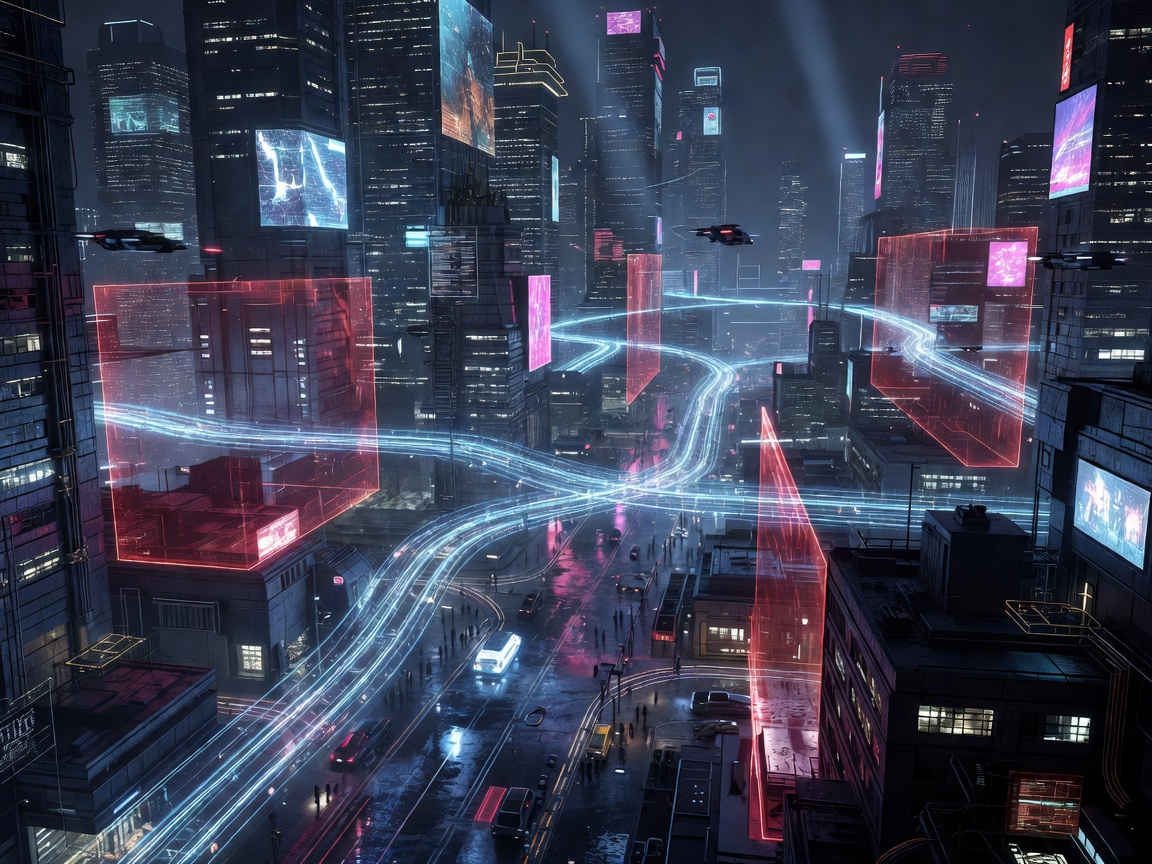
Cyberpunk games spread across role-playing games, immersive sims, action games, tactical strategy and narrative adventures. The useful dividing line is agency: what can you alter, bypass or reinterpret? A large city means little if every obstacle accepts the same answer. A compact level can feel more cyberpunk when doors, terminals, guards, implants and social access form one interlocking problem.
Deus Ex remains a clear reference point because its spaces support multiple approaches. Hacking, stealth, conversation and direct force are not cosmetic loadouts; they change how you read architecture. Ventilation shafts become routes, cameras become network nodes and locked offices become evidence that information has a physical location. The game’s conspiratorial excess is part of its texture, but the systemic level design is the deeper inheritance.
Role-playing worlds and authored protagonists
Cyberpunk 2077 uses an open urban structure, extensive character building and a first-person viewpoint to bind augmentation to moment-to-moment action. Its Night City is adapted from the tabletop setting created for Cyberpunk. When judging it as cyberpunk, look past density and signage. Notice the division between corporate enclaves, commercial streets and neglected districts; the conversion of identity into marketable hardware; and the tension between personal survival and institutions too large to confront cleanly.
Shadowrun takes another route by combining cyberpunk with fantasy. Elves, magic and dragons sit beside deckers, megacorporations and cyberware. That hybrid can look like a genre violation until the social structure comes into view. Prejudice, privatised force, precarious work and contested urban territory remain central. The turn-based games are especially suited to readers who want party composition, dialogue and tactical planning rather than continuous action.
When mechanics carry the theme
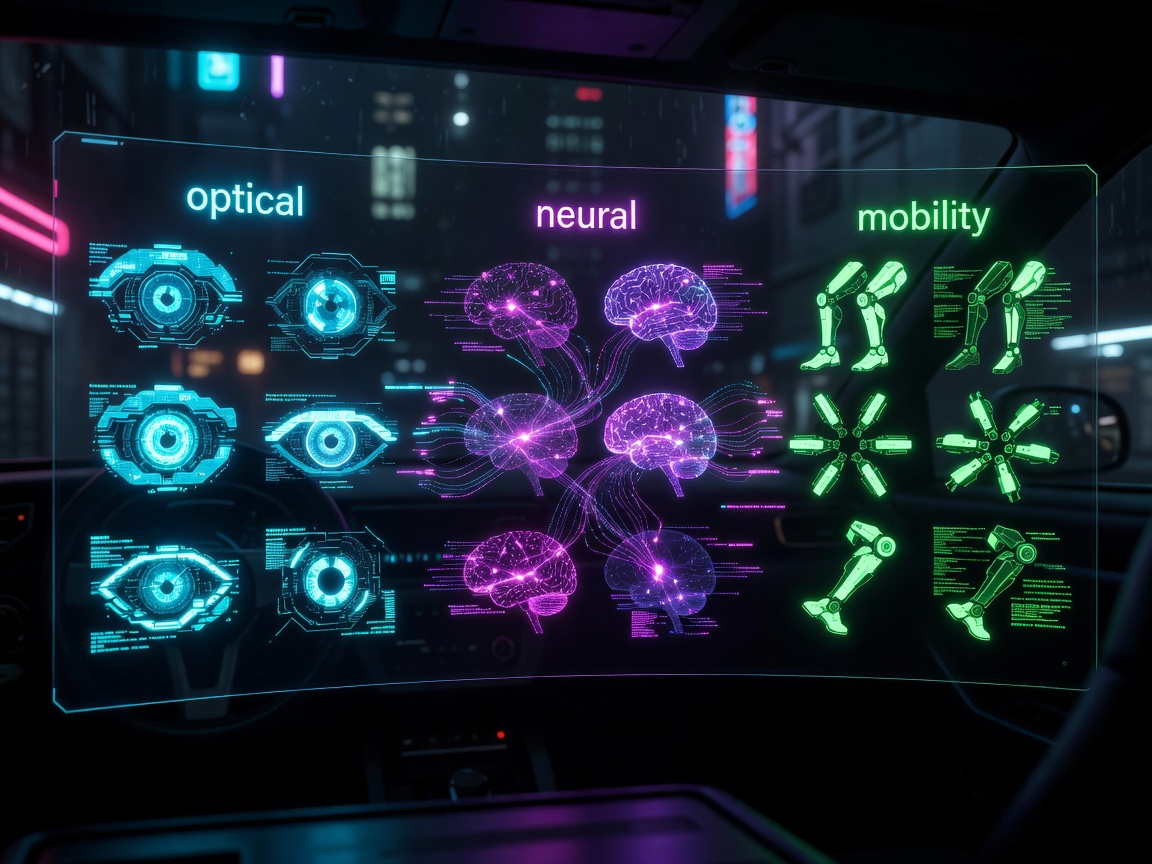
Augmentation is the obvious mechanic, but implementation makes the difference. If every implant is a frictionless improvement, technology becomes a conventional skill tree wearing chrome. More interesting designs ask what an upgrade replaces, exposes or makes dependent on scarce access. Energy use, social response, surveillance risk and incompatible specialisations can turn modification into a decision rather than a shopping list.
Hacking has a similar split. A separate puzzle can create rhythm and pressure, yet it may detach the network from the world. Systemic hacking is stronger when cameras, turrets, doors, identities and records belong to the same security ecology. Watch Dogs presents urban infrastructure as a manipulable network, while Invisible, Inc. compresses infiltration and surveillance into turn-based decisions. Their tones differ, but both make information control playable.
Action, atmosphere and authored momentum
Not every cyberpunk game needs broad choice. Ruiner and Ghostrunner pursue speed, aggression and visual compression. Their value lies in rhythm and embodiment: the player reads hostile space at high velocity through movement, targeting and repeated failure. These games trade social breadth for a sharp physical relationship with the environment.
Narrative-led works can move in the opposite direction. VA-11 Hall-A centres conversation and bartending within a corporate city. Citizen Sleeper uses dice, clocks and resource pressure to depict labour, debt and personhood on a space station. Neither depends on free-roaming spectacle. Their systems expose how survival consumes attention, which is often closer to cyberpunk’s political core than another skyline flyover.
| Format | Best for | Trade-off |
|---|---|---|
| Immersive sim | Interlocking spaces and multiple solutions | Can demand patient observation |
| Open-world role-playing | Urban scale, character builds and long arcs | Theme may compete with map activity |
| Narrative adventure | Labour, identity and intimate viewpoints | Limited physical agency |
| Action game | Embodiment, speed and visual force | Fewer systemic or social choices |
How to choose your next game
Choose by the kind of friction you want. For exploratory problem-solving, prioritise dense levels, persistent consequences and tools that interact. For character development, look for dialogue choices tied to factions, work and bodily change. For atmosphere, examine sound design and environmental storytelling rather than raw map size. For tactical play, ask whether surveillance, positioning and information matter as much as damage.
Finally, check whether rebellion has a cost. Cyberpunk loses tension when resistance is simply the heroic option on a dialogue wheel. The genre works best when every route crosses compromised infrastructure: corporate clinics, privately controlled networks, rented bodies, weaponised data. You may win a room, a contract or a relationship. The machine outside keeps humming.